

Brand:Bowline
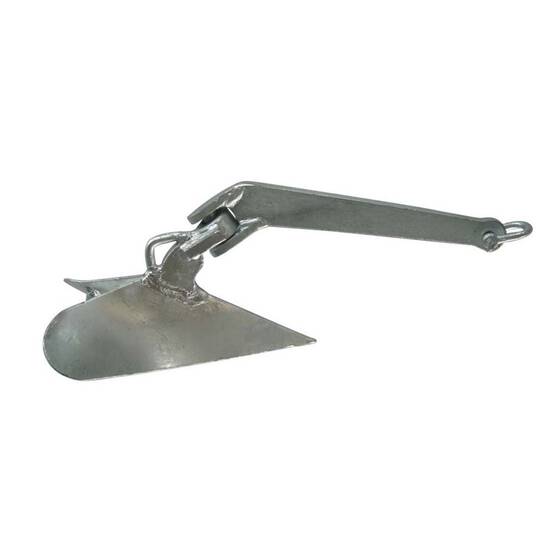
Bowline Plough Anchor 15lb
Sold by BCF In stock

Same price since 25 Nov
Unchanged since we started tracking
We may earn a commission at no cost to you. How it works
Price history
Tracking since 2 days ago
The price hasn't changed since we started tracking it. We'll show its history once it does.
About this product
The type of anchor you choose is often dependent on the nature of the seabed you are anchoring to. Anchors are designed to anchor a boat to the seabed allowing for a boat to be held in position against wind, tide and current. The use of anchors is an ancient art as old as boating itself. Learning to anchor your boat effectively is an important skill to ensure safe and enjoyable boating. Plough anchors are based on a single fluke design which has better holding power in changing currents and tides. This is because it is easier to maintain grip with a single fluke as it follows a changing direction of pull. Plough anchors are very effective in sand and mud. They can be used on rocky bottoms, especially if the cable tie method (explained later) is used. The one big disadvantage of the plough anchor is that they are bulky and difficult to stow once on board. To counter this many boats using a plough anchor will stow the anchor on a bow roller. There are many variations of the plough type anchor but they are all based on the same single fluke design.