

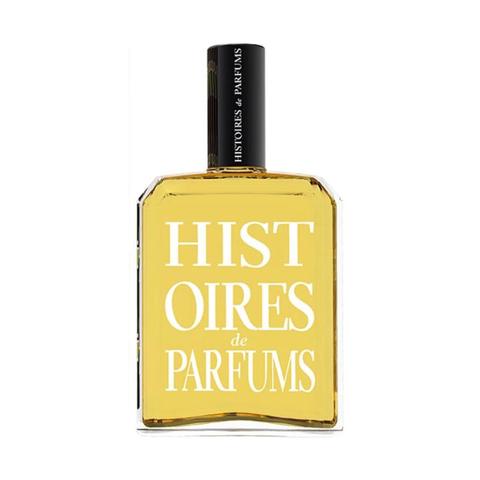
Brand:Histoires De Parfums
Histoires De Parfums Dates Collection - 1740 EDP 120ml
Sold by City Perfume

Same price since 22 Oct
Unchanged since we started tracking
We may earn a commission at no cost to you. How it works
Price history
Tracking since 22 Oct · 26 days
The price hasn't changed since we started tracking it. We'll show its history once it does.
About this product
- Brand
- Histoires De Parfums
- Store
- City Perfume
- Category
- Health & Beauty > Personal Care > Cosmetics > Perfumes & Colognes > Eaux de Parfum
- SKU
- HDP1740120
Specifications
- Concentration
- Eau de Parfum
- Gender
- Men's
- Size
- 120 ml
Histoires de Parfums 1740 Eau de Parfum is a bold tribute to Donatien Alphonse Franois, better known as the Marquis de Sadewriter, libertine, and one of Frances most provocative literary figures. Inspired by his audacious spirit and uncompromising pursuit of pleasure, this fragrance explores the darker side of elegance through rich woods, spices, leather, and warm resins. Sensual, daring, and deeply seductive, it captures luxury at its most provocative. It is an expression of contrastbright citrus and aromatic warmth colliding with smoky woods, supple leather, and rich vanilla, creating a fragrance that feels both refined and rebellious. The fragrance opens with a striking blend of bergamot and davana sensualis. Fresh yet liqueur-like, the citrus brightness is immediately wrapped in a fruity, aromatic warmth that feels seductive and slightly untamed. At its heart, patchouli, coriander, and cardamom create a textured spicy-woody accord. Earthy and aromatic, the patchouli gives the composition depth and sensuality, while the spices add heat and intrigue, evoking the decadence of hidden salons and forbidden pleasures. The base reveals a dark and enveloping trail of cedarwood, birch, labdanum, leather, vanilla, elemi, and immortelle. Smoky, resinous, and slightly animalic, it lingers with warmth and intensity, softened by creamy vanilla and the golden facets of immortelle. Together, the composition balances refinement and excess, elegance and provocationcapturing the libertine spirit of the Marquis de Sade through scent. Fragrance Notes Top notes: bergamot, davana sensualis Heart notes: patchouli, coriander, cardamom Base notes: cedarwood, birch, labdanum, leather, vanilla, elemi, immortelle A dark woody-spicy fragrance inspired by literary rebellion, sensual decadence, and the provocative elegance