


Tiffen 67mm North Star Filter - Try & Byte
In stock at JB Hi-Fi
Price checked today
We may earn a commission if you buy; it doesn't change your price. Check the price at JB Hi-Fi before you buy. How we make money
Price history
Tracking since today
The price hasn't changed since we started tracking it. We'll show its history once it does.
About this product
- Brand
- TIFFEN
- Store
- JB Hi-Fi
- Category
- Cameras & Optics > Camera & Optic Accessories > Camera Lens Accessories > Lens Filters
- SKU
- 10018796
Specifications
- Colour
- North
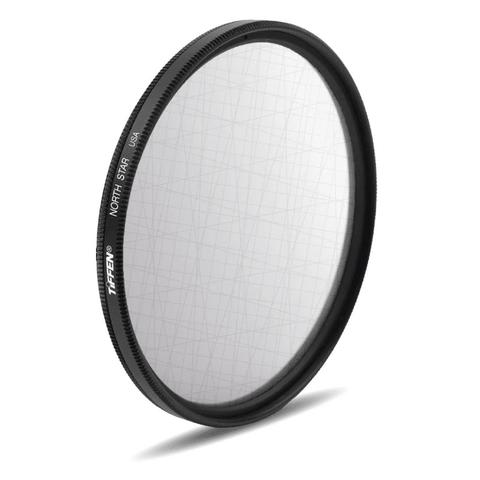
The North Star Filter from Tiffen creates multiple points of light, or "stars," streaking outward from a central light source. This filter comes in a rotating mount for critical placement of the star effect.
This filter is especially useful for wedding photographers. It helps create a romantic, special effect mood which clients desire. North Stars are best used with a point light source such as a candle, match, flashlight or streetlight.
Tiffen's ColorCore glass is produced through a process that entails permanently laminating the filter material in between two pieces of optical glass that are ground flat to tolerances of a ten-thousandth of an inch, then mounting them in precision aluminium rings.
The effect is produced by a series of thin lines etched into the flat optical surface of a clear filter.
Key Features:
- Exciting and dazzling star effects generated from original point or reflected light sources with the added glitter and sparkle of these exclusive, natural looking asymmetrical designs and shapes
- Great for water scenes, candle flames, street lights, and more
- Tiffen offers 4, 6, and 8 point symmetrical star effects as well as additional asymmetrical star patterns through their exclusive Hollywood FX Series (North, Hyper, Vector and Hollywood star effects)
- Tiffen's ColorCore glass is sealed between two optical glass sheets. In this way, Tiffen can better control the various densities of their filters and thereby create more exact degrees of filtration. This process makes for greater accuracy of colour as opposed to glass that is simply dyed and become subject to deviation during the dye process